
Application Development: A Strategic Guide for Modern Businesses
In today’s digital-first economy, Application Development is more than just writing code; it is about creating functional ecosystems that drive business growth and user engagement. Whether you are a startup looking to launch a Minimum Viable Product (MVP) or an established enterprise seeking to modernize legacy infrastructure, understanding the lifecycle and strategy behind software creation is essential. At https://prasad-solutions.com, we believe that the right technology stack combined with a clear roadmap is the cornerstone of sustainable digital transformation.
This guide explores the essential components of building high-quality software, from defining your requirements to navigating the complexities of deployment and maintenance. By focusing on scalability, user experience, and robust architectural patterns, businesses can ensure that their digital tools remain competitive in a rapidly evolving market.
Understanding the Application Development Lifecycle
The Application Development lifecycle is a structured process designed to maximize efficiency and minimize risk throughout a software project. It typically begins with a discovery phase, where teams gather requirements, analyze user personas, and define clear business objectives. This phase is crucial for ensuring that the development team and stakeholders are aligned on the core problem the application aims to solve.
Following discovery, the process proceeds to design, development, testing, and deployment. Each stage serves a specific purpose, such as UI/UX prototyping to visualize the workflow or quality assurance testing to identify bugs before they reach the end user. By adhering to agile methodologies, teams can iterate quickly, allowing for real-time adjustments based on feedback and changing market conditions.
Choosing the Right Technology Stack
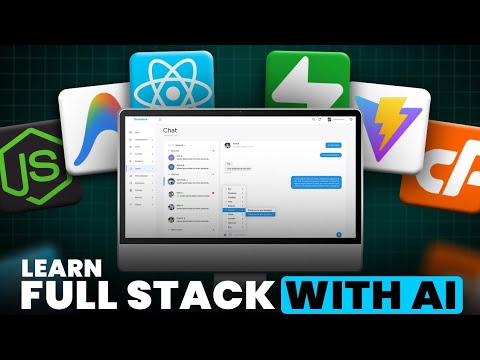
Selecting the appropriate technology stack is perhaps the most critical technical decision you will face. A stack consists of the programming languages, frameworks, databases, and infrastructure tools required to build both the client-side (frontend) and server-side (backend) of an application. For instance, React or Vue.js are popular choices for interactive interfaces, while Node.js, Python, or Go are frequently utilized for powerful backend processes.
When selecting your tech stack, it is important to consider the long-term maintainability and scalability of your chosen tools. You must evaluate the community support, available developer talent, and the ability to integrate with third-party APIs. A well-planned technology stack ensures that your application remains performant even as your user base grows and your business needs become more complex.
Key Features of Modern Custom Applications
Modern applications are expected to perform flawlessly across multiple devices while delivering a seamless user experience. Developers must prioritize features that contribute to security, speed, and intuitive navigation. Common features often include robust authentication systems, secure payment gateways, real-time data synchronization, and comprehensive administrative dashboards for data management.
Furthermore, automation and internal workflow tools have become standard requirements for enterprise applications. By integrating intelligent features such as automated reporting, notification systems, and role-based access controls, businesses can significantly reduce manual overhead. These capabilities empower teams to focus on strategy rather than repetitive, low-value administrative tasks.
Comparison of Development Approaches
| Approach | Key Benefit | Best For |
|---|---|---|
| Custom Build | Full control over features | Unique business workflows |
| Low-Code | Rapid time-to-market | Internal business tools |
| SaaS Integration | Lower upfront costs | Standardized business needs |
Prioritizing Security and Reliability
In an era of increasing cyber threats, security cannot be an afterthought in the Application Development process. Developers must implement security protocols, such as data encryption at rest and in transit, secure authentication tokens, and regular security audits. Protecting user data is not just a regulatory obligation; it is a fundamental aspect of building trust with your customers.
Reliability refers to the ability of an application to perform consistently under load. This is achieved through stress testing, proper server configuration, and the implementation of cloud-native infrastructure that allows for automatic scaling. When an application is built with security and reliability in mind, it provides a stable foundation upon which a business can launch new services without the fear of system downtime or data breaches.
Scalability and Future-Proofing
Scalability defines how well your application handles increases in traffic and data complexity. A scalable architecture prevents your application from crashing during peak usage periods and ensures that growth does not necessitate a complete rewrite of your codebase. This often involves using microservices or modular architectures that allow for independent updates to specific app functions without affecting the rest of the system.
Future-proofing also involves making your system “integration-ready.” As your business evolves, you may need to connect your application to new CRM software, marketing platforms, or AI services. By using well-documented APIs from the start, you ensure that your software can communicate effectively with future technologies, keeping your investment relevant for years to come.
Budgeting and Pricing Considerations
Budgeting for Application Development requires transparency and a clear understanding of the project scope. Pricing is usually influenced by the complexity of the features, the size of the development team, the timeline, and whether you are opting for a fixed-price contract or a time-and-materials agreement. It is wise to set aside additional funds for ongoing maintenance and future feature iterations.
Businesses should evaluate pricing based on the total cost of ownership (TCO) rather than just the initial development cost. TCO encompasses hosting fees, subscription costs for third-party tools, ongoing bug fixes, and security patches. By accounting for these factors early, you can avoid unexpected expenses and maintain a smoother financial roadmap throughout the development process.
Getting Started with Your Development Project
Embarking on a new project is an exciting step for any business. The most effective way to start is by clearly defining your “why.” What specific problem is this application solving for your users? Once you have a clear vision, the next steps involve creating wireframes, defining technical specifications, and selecting a partner experienced in building scalable enterprise-grade solutions.
Remember that successful Application Development is a collaborative effort. Constant communication between stakeholders and the development team is essential to ensure that the project stays on track. By focusing on iterative feedback cycles and keeping the end-user experience at the center of your design choices, you will be well-positioned to deliver a product that provides genuine value to your target market.